The Practical Usage of Roles
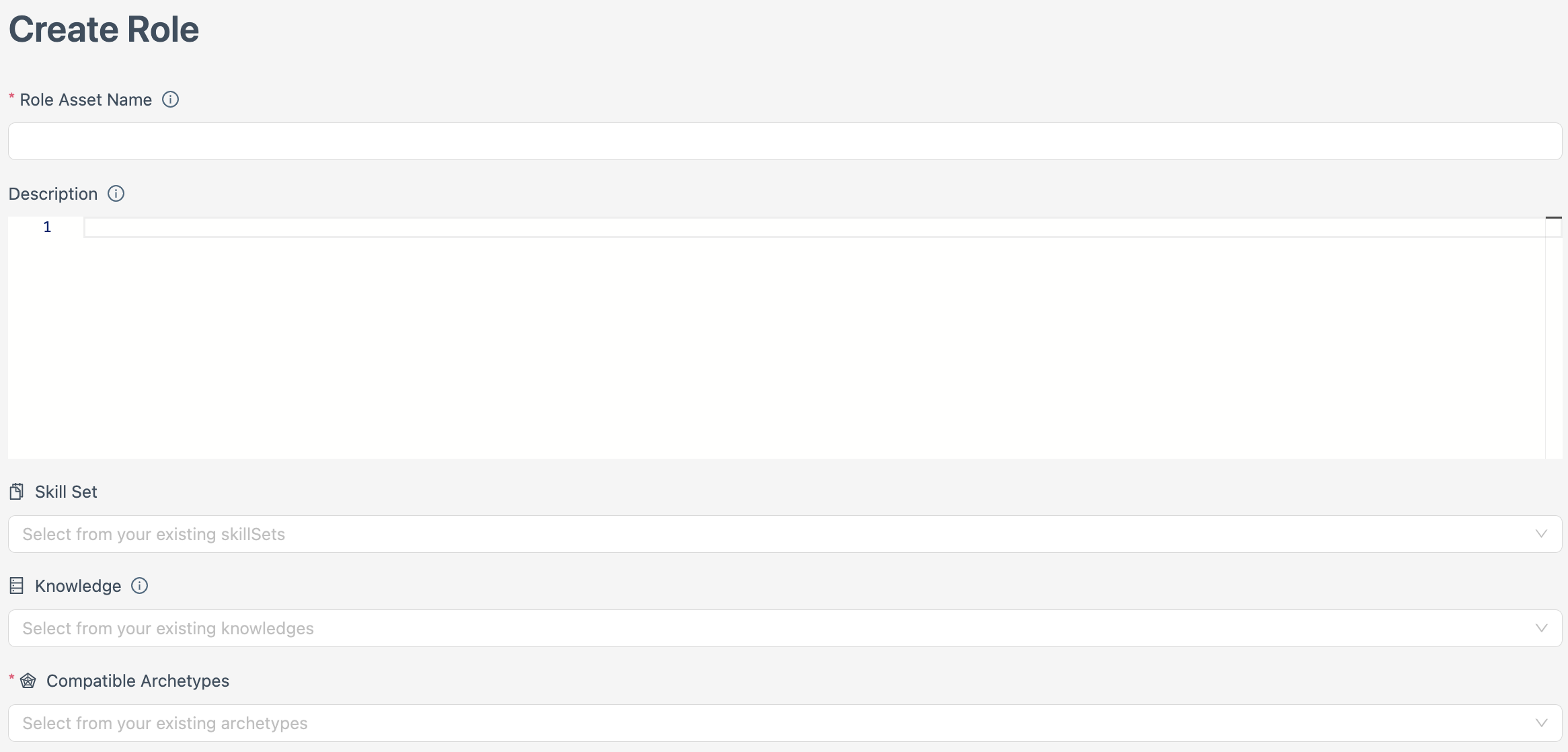
Roles in Promethist Studio define a digital persona’s functional purpose and business tasks, ensuring it delivers targeted, measurable outcomes.
What You Define in a Role
-
Functional Purpose – e.g., customer support, mentoring, billing assistance.
-
Skill Sets – Business tasks and capabilities (e.g., answering FAQs, guiding workflows).
-
Knowledge Domain – e.g., company policies, product details, compliance rules.
How Roles Work with Other Assets
A Role combines with an Identity and a Character to form a complete Persona used in an Application.
Practical Use Cases
| Role | Details |
|---|---|
Telecommunications Support Agent |
Purpose: Provide tier-1 customer support. Skill Set: Answer roaming inquiries, troubleshoot issues. Knowledge: Tariff plans, GDPR compliance. Impact: Reduces call center load. |
Internal Company Assistant |
Purpose: Help employees with internal tools. Skill Set: Answer policy questions, assist onboarding. Knowledge: Company portals, HR procedures. Impact: Boosts employee productivity. |
Billing and Payments Assistant |
Purpose: Assist with invoices and payments. Skill Set: Explain invoices, resolve disputes. Knowledge: Billing platforms, tax rules. Impact: Improves customer satisfaction. |